Skip Hire in Clapham
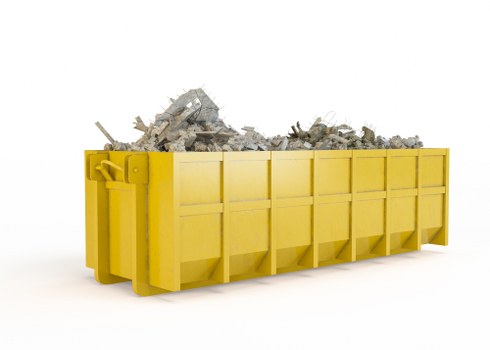
Skip hire in Clapham is a practical way to manage household, garden, and construction waste when bags alone are not enough. Our service is built around straightforward collection of mixed non-hazardous waste, with skip options that suit ongoing clear-outs, refurbishments, and smaller one-off jobs. For customers who need a simple route from waste build-up to responsible disposal, the aim is a tidy process with a clear scope and sensible container choice.
The most suitable skip depends on the type of waste, the available space, and how long the materials need to stay on site. A compact project may only need a modest container, while a larger strip-out can call for a bigger capacity or an alternative like wait and load skip hire where leaving a skip outside is not practical. If you are comparing ways to manage debris, it helps to match the service to the job rather than over-ordering or underestimating the load.
Our approach is to keep the process clear from the outset. If you already know the waste type and approximate volume, that usually makes it easier to request a suitable quote and avoid unnecessary delays. Use the main service, the waste description, and the location together so the enquiry is specific enough to assess. If you are ready to begin, send a quotation request today.
Domestic clear-outs and household waste
Household projects often produce a mix of bulky and loose material that is awkward to move in ordinary bin collections. Domestic skip hire can help with old furniture, packaging, broken fixtures, general renovation waste, and the debris left behind after a room is emptied. Where the job is mainly household waste rather than trade rubble, a chosen container can keep the work area more organised and reduce repeated trips to disposal points.
For many people, the decision comes down to what is being removed and how quickly the area needs to be cleared. A kitchen rip-out will create different waste from a loft tidy-up, while garden debris and old flooring may each need separate handling. We also offer house clearance for situations where the task is more about removing contents than disposing of building waste, and domestic skip hire for general domestic projects that benefit from a simple on-site container.
Two pieces of information are especially useful when asking for pricing: roughly how much waste you expect, and whether there are access limits such as narrow drives, restricted parking, or a shared entrance. If you are not sure which option is best, a short description of the items normally gives enough context to guide the choice. Tell us what you are clearing and how the property can be accessed, then ask for a quotation when you are ready.
Builders' waste and renovation debris
Building work usually creates waste that is heavier, sharper, and more varied than routine household rubbish. Our builders' waste options are aimed at brick, plasterboard, timber offcuts, packaging, metal fixtures, and similar material produced during renovation or repair. Where the job is centred on a single property refurbishment, a builders' skip hire page may be a useful place to look for a service matched to that kind of project, while builders' waste removal suits jobs where collection and disposal are needed without long on-site storage.
It is sensible to consider the likely waste stream before selecting a container. Clean inert material, mixed construction waste, and plasterboard can each affect the way a load is prepared and disposed of. Some projects also produce items that are better covered under construction waste disposal or construction waste clearance when the priority is a structured removal service rather than a simple container drop-off. The right choice often depends on the pace of the work and the amount of material produced each day.
For a useful quotation, keep the description concrete: room size, demolition stage, and the main waste types all matter. If the work is phased, it may be better to ask about staged removals rather than assuming one container will suit the whole job. The clearer the scope, the easier it is to give an accurate response. Plan the waste route before the work piles up, then ask for a quote with the job details in hand.
Specialist waste streams and site management
Some loads need a more specific disposal route because they contain restricted items, unusually heavy materials, or waste from a defined activity. Our broader waste services include site clearance for areas that need a coordinated clear-out, muck away services for soil and similar excavated material, and demolition waste removal for the debris that follows stripping or structural work. These options help separate different job types instead of treating every load as if it were the same.
Where waste is awkward, bulky, or mixed with access challenges, it is worth considering whether skip hire is the best fit or whether a more direct collection service would be simpler. For example, grab hire services and grab lorry hire can suit heavier loose materials, while man and van collection may work better for smaller, quicker removals that do not justify a container on site. Choosing the right method can reduce handling and keep the work moving more smoothly.
Not every project needs the same level of planning, but it does help to know whether the waste will be produced all at once or in stages. If you are comparing services, look at the material, the quantity, and how the space will be used during the job. A brief enquiry with those points included is usually enough to narrow the options and prepare a sensible estimate.
Skip sizes, access and hire choices
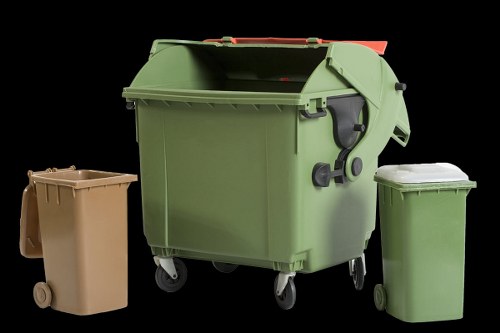
The practical side of skip hire is often about size and placement rather than waste type alone. Smaller containers can suit lighter domestic jobs and tighter access points, while larger sizes are often chosen for bulkier clear-outs or more sustained work. The key is to avoid choosing a container that is too small for the waste stream or too large for the available space. A well-matched hire keeps the site manageable and reduces disruption.
Access matters just as much as capacity. Narrow roads, shared entrances, parking restrictions, and limited turning space can all influence which service is appropriate. In some cases, a standard container will be the best solution; in others, a more flexible arrangement such as same day skip hire or enclosed and lockable skip hire may be worth considering for practicality or security. If permit requirements are relevant, the dedicated skip permits page can help guide the process.
For customers who want to compare options before deciding, a simple checklist can be useful:
- What material is being removed
- How much space is available for delivery
- Whether the job is single-stage or ongoing
- Whether waste should be left on site or collected directly
- Whether a permit or alternative placement may be needed
Garden, garage and loft projects
Not all skip hire is about construction. Seasonal tidying, storage clear-outs, and outdoor maintenance also create waste that benefits from an organised collection method. Garden waste may include branches, soil, turf, hedge cuttings, and worn-out planters, while garages and lofts often produce mixed household clutter, broken equipment, and old packaging. These jobs are often easier when the removal method is set before sorting begins.
Where the job is focused on outdoor material, our garden waste removal service offers a more targeted option than a general clear-out. If the waste comes from storage areas rather than the garden, garage and loft clearance may be a better fit because it deals with contents removal as well as disposal. The exact choice depends on what is being removed and whether the work is primarily a clean-out or a waste collection exercise.
For practical planning, it helps to sort items into broad groups before requesting a quote: green waste, reusable items, general rubbish, and heavier broken materials. That simple split makes it easier to estimate volume and avoid mixing restricted waste with standard loads. Clear access, a brief item list, and a realistic volume estimate are usually the most helpful details to supply when you are ready to enquire.
Commercial, office and trade waste support

Workplaces and trading sites often need waste removed without interrupting the main activity of the day. Office clear-outs can involve desks, chairs, shelving, packaging, and general non-sensitive contents, while commercial premises may generate ongoing waste from fit-outs, stock changes, or renovations. Our commercial skip hire page covers business-focused arrangements, and office clearance is useful where the task includes removing furnishings and contents as well as waste.
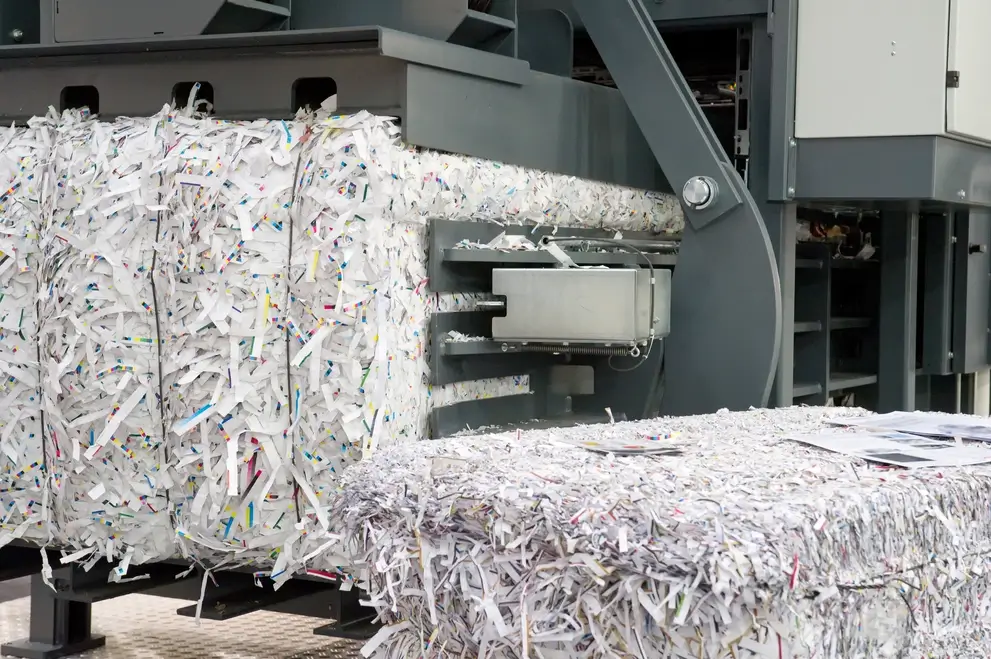
Commercial jobs are often better handled with a clear schedule and a defined scope. If the project creates confidential paper, separate handling may be needed through confidential shredding. If it produces equipment, fixtures, or mixed items from a workplace refurbishment, the load may be more suited to rubbish removal or a container-based arrangement depending on the access and timing. The objective is to match the waste route to the operational needs of the site.
Businesses often want a service that keeps disruption low and expectations clear. For that reason, it is useful to state the type of premises, the likely waste, and the period over which the material will be produced. If several areas will be cleared in sequence, note that in the enquiry so the suggested approach can reflect the whole job rather than one room or one corner alone.
About Clapham
Clapham is a district in south London associated with a long-established village centre, broad residential streets, and one of the capital’s best-known commons. The area is commonly understood around Clapham Common, an open space with ponds, paths, mature trees, and sports facilities that gives the neighbourhood a strong green focus. Its built environment ranges from Georgian and Victorian terraces to later apartment blocks and local commercial parades, reflecting different phases of London growth and suburban change. Clapham High Street and the surrounding roads provide a busy spine of shops, cafés, and services, while nearby side streets retain more domestic character. The district also has a notable transport presence, with Underground and rail connections linking it to other parts of the city. Historically, Clapham developed from a village into a settled London district, and its churches, housing styles, and public open spaces still help define its identity. The common itself has long functioned as a focal point for recreation and local life, while the surrounding conservation areas and terraces show the enduring appeal of traditional street patterns. As a place, Clapham combines urban density with pockets of open space, creating a landscape shaped by movement, housing, and everyday neighbourhood activity rather than by one single landmark.
Recycling, disposal standards and what can be accepted
Responsible skip hire is not only about taking waste away, but also about sorting the load in a way that supports suitable treatment afterwards. Different materials may be separated for recycling, recovery, or disposal depending on what has been collected. Our waste recycling services and recycling and sustainability pages explain the general approach to handling material after collection, while what can go in a skip is the most useful place to check accepted and restricted items before loading begins.
Some items need particular care and should be identified before the hire is arranged. Hazardous or specialist waste is not suitable for a routine mixed load, so it is sensible to separate anything that needs a dedicated route. Where relevant, options such as hazardous waste disposal, fridge and appliance removal, or mattress and sofa disposal may be more appropriate than putting everything into one container. A careful approach protects the rest of the load and keeps the service well defined.
If you are unsure whether an item is suitable, mention it in the enquiry rather than assuming it can be taken with the rest. That saves time later and allows the quote to reflect the actual waste stream. When the contents are clear, the next step is simple: ask for a quotation, compare the options, and choose the service that matches the job properly.
Prices, quotes and how to plan the hire
Pricing for skip hire usually depends on a mix of practical factors rather than a single fixed rule. The size of the container, the type of waste, the length of hire, the collection method, and the level of access all matter. Some jobs may also need extra consideration if permits, special waste handling, or a more flexible arrangement are involved. Because of that, a brief but accurate description is the best starting point for a quotation.
Our skip sizes and prices page is helpful if you want to understand how capacity and use influence the overall cost, while pricing and quotes brings the enquiry process into one place. If you prefer to arrange the service directly, book online is available as a convenient next step. These pages are useful for comparing your options before committing to a particular arrangement.
To keep the process efficient, give a plain description of the job, say whether the waste is domestic or trade-based, and note anything that might affect access or loading. You do not need to write a long explanation; the aim is simply to provide enough detail for a sensible response. Request your quotation once the scope is known, and the service can be matched to the job with less back-and-forth.